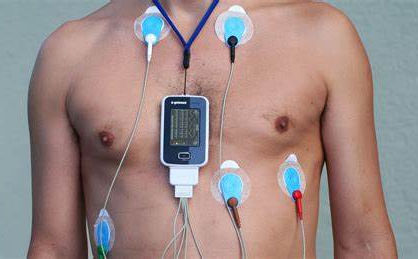
Holter Cardiac Monitoring
Cardiovascular diseases are one of the leading causes of death worldwide.
Approximately 25% of the 17 million deaths each year from sudden cardiac death are attributed to arrhythmias. Therefore, research on this type of condition is essential, not only because of the individual and family consequences it entails, but also because of the economic burden it places on the healthcare system.
The Cardiac Holter allows for a continuous electrocardiogram of a person over 24 hours during a normal day of activity, enabling the identification of arrhythmias that may not be detected by other means.
While being monitored with a Holter monitor, it is important that you keep an accurate diary of your activities and symptoms during the test. If you experience symptoms such as chest pain, shortness of breath, palpitations, or dizziness, write down the time of day they began and what you were doing. Your diary will be compared with the changes in your electrocardiogram recorded by the Holter monitor.